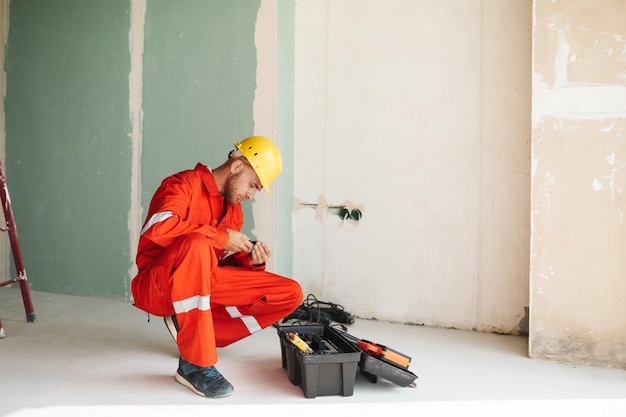
Effective Termite Treatment at Home Quality Control Solutions
Termites are a homeowner's nightmare, silently gnawing away at the very foundations of a property. Recognizing the importance of effective termite treatment and quality control solutions is crucial for maintaining the structural integrity and value of a home. This article provides a comprehensive guide to understanding and implementing effective termite treatment strategies at home, ensuring that infestations are not only managed but prevented from reoccurring. For those seeking professional insights, learn more in this detailed guide.
Understanding Termite Infestations
Before delving into treatment methods, it is essential to understand the nature of termite infestations. Termites are social insects that live in colonies, often consisting of thousands of individuals. These pests primarily feed on wood, causing significant damage over time. Identifying the presence of termites early can save homeowners from costly repairs and extensive damage.
Signs of Termite Infestation
Common Indicators
- Mud tubes on exterior walls, wooden beams, or in crawl spaces.
- Discarded wings near windowsills or doors, usually after a swarm.
- Hollow-sounding wood when tapped.
- Cracked or bubbling paint on wooden surfaces.
Observing any of these signs necessitates prompt action. For more detailed information on identifying termite infestations, find additional information here.
Effective Termite Treatment Methods
Chemical Treatments
Chemical treatments are among the most common methods for controlling termite populations. These include:
- Liquid Termiticides: Applied to the soil surrounding a home to create a barrier.
- Bait Stations: Used to lure termites away from the property and poison the colony.
- Wood Treatments: Involves treating exposed wood with chemicals to prevent termite damage.
For detailed insights on chemical treatments, explore further insights here.
Non-Chemical Treatments
Non-chemical treatments are preferred by those looking for environmentally friendly options. These include:
- Heat Treatment: Raising the temperature of the home to levels lethal to termites.
- Electrocution: Using electrical currents to kill termites within wood structures.
- Microwave Treatment: Employs microwaves to penetrate wood and eliminate termites.
For more on non-chemical treatments, read more about this topic.
Implementing Quality Control Solutions
Effective termite treatment extends beyond immediate eradication; it involves ongoing quality control to prevent future infestations. Key strategies include:
- Regular Inspections: Conduct thorough inspections bi-annually to detect early signs of termite activity.
- Moisture Control: Fix leaky pipes and ensure proper drainage to reduce moisture, which attracts termites.
- Property Maintenance: Keep woodpiles and wooden structures away from the home's foundation.
- Professional Consultation: Hire experts for regular evaluations and treatment updates.
For comprehensive quality control solutions, explore further insights here.
Conclusion
Protecting a home from termites requires a proactive approach that includes understanding the signs of infestation, employing effective treatment methods, and implementing ongoing quality control measures. Homeowners are encouraged to remain vigilant and consult professional services when necessary. For additional resources and guidance on managing termite infestations, learn more in this detailed guide.